
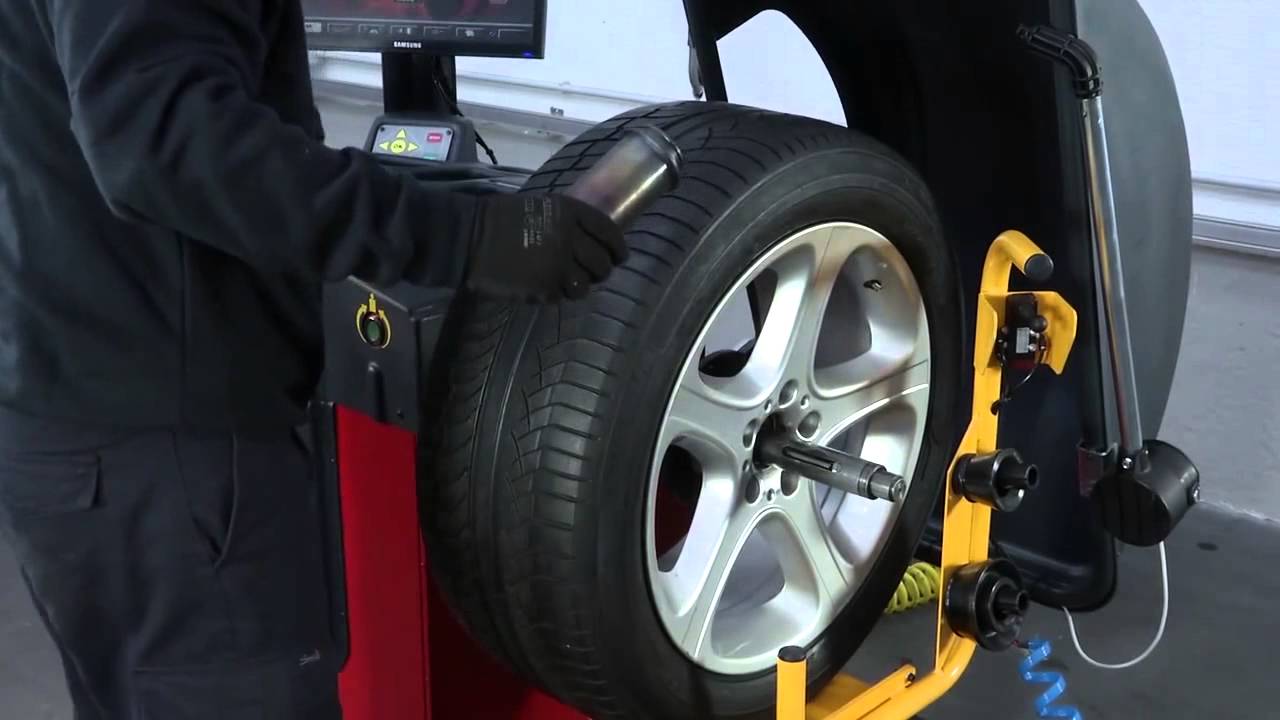
Tyres are your car’s first line of safety—especially in a city like Dubai, where high-speed highways, hot weather, and long commutes can wear them down faster than expected. Knowing exactly when to replace your tyres can prevent breakdowns, blowouts, and costly emergencies. This guide will help Dubai drivers identify the key signs that it’s time for a tyre change and how to stay safe on the road.
Why Tyre Replacement Matters More in Dubai
Dubai’s climate is tougher on tyres than many other regions. The extreme summer heat, hot road surfaces, and long-distance highway driving cause tyres to age quickly. Even premium tyres can develop cracks, uneven wear, and reduced grip much earlier than expected. Regular inspection is essential to avoid sudden failures.
1. Tread Wear: The Most Common Warning Sign
Your tyre tread is what keeps your car stable on the road. As it wears out, braking distance increases and grip reduces dramatically.
How to check:
Look for the tread wear indicator (TWI) inside the grooves. If the tread is level with the indicator, your tyres must be replaced immediately.
Ideal minimum tread depth in Dubai:
3mm
(Although globally 1.6mm is legal, Dubai highways require more grip for safety.)
2. Cracks Caused by Dubai’s Heat
Intense heat causes rubber to dry, harden, and crack over time.
Check for:
- Small surface cracks
- Deep sidewall cracks
- Dry, brittle rubber
Any of these signs mean the tyre has aged and must be replaced to avoid sudden blowouts at high speed.
3. Bulges or Bubbles on the Sidewall
A bulge indicates internal structural damage—usually caused by hitting a curb or pothole.
This is dangerous because the tyre can burst anytime, especially on fast highways like Sheikh Zayed Road.
Replace the tyre immediately if you see:
- Bubbles
- Sidewall deformities
- Soft, balloon-like bumps
4. Excessive Vibrations While Driving
If your steering wheel or car vibrates even on smooth Dubai roads, it may indicate:
- Internal tyre damage
- Wheel imbalance
- Flat spots
- Uneven wear
A technician can diagnose the issue, but vibrations are usually an early warning that replacement is needed.
5. Tyre Age: The 4-Year Rule for Dubai
Even if your tyres look fine, they may be expired.
Dubai RTA recommends replacing tyres every 4 years due to heat and road conditions.
Always check the DOT manufacturing date on your tyre.
If your tyres have reached:
- 3–4 years → Inspect regularly
- 4+ years → Replace immediately
6. Uneven Wear on the Tyres
Uneven wear indicates alignment or suspension issues, but it also means your tyres may no longer be safe.
Signs include:
- Wear on one side
- Center wear
- Edge wear
- Patchy or irregular tread
Once the wear becomes severe, replacement is necessary even if other areas look fine.
7. Frequent Air Loss
If your tyres need inflation more often, you may have:
- Hidden punctures
- Valve damage
- Rim leaks
- Age-related cracks
Slow leaks are a clear sign your tyres are losing integrity and may need to be replaced.
When in Doubt—Get a Professional Inspection
If you’re unsure whether your tyres need replacement, a mobile tyre specialist can inspect them at your home, office, or roadside in minutes. Regular inspection can prevent accidents, improve fuel efficiency, and give you peace of mind on Dubai’s busy highways.
Final Thoughts
Your tyres play a critical role in your safety, and the unique driving conditions in Dubai make regular maintenance essential. By keeping an eye on tread depth, cracks, vibrations, tyre age, and unusual wear, you can decide exactly when it’s time for a replacement.
If your tyres show any of the warning signs above, replacing them now will save you from breakdowns and potential road hazards later.